
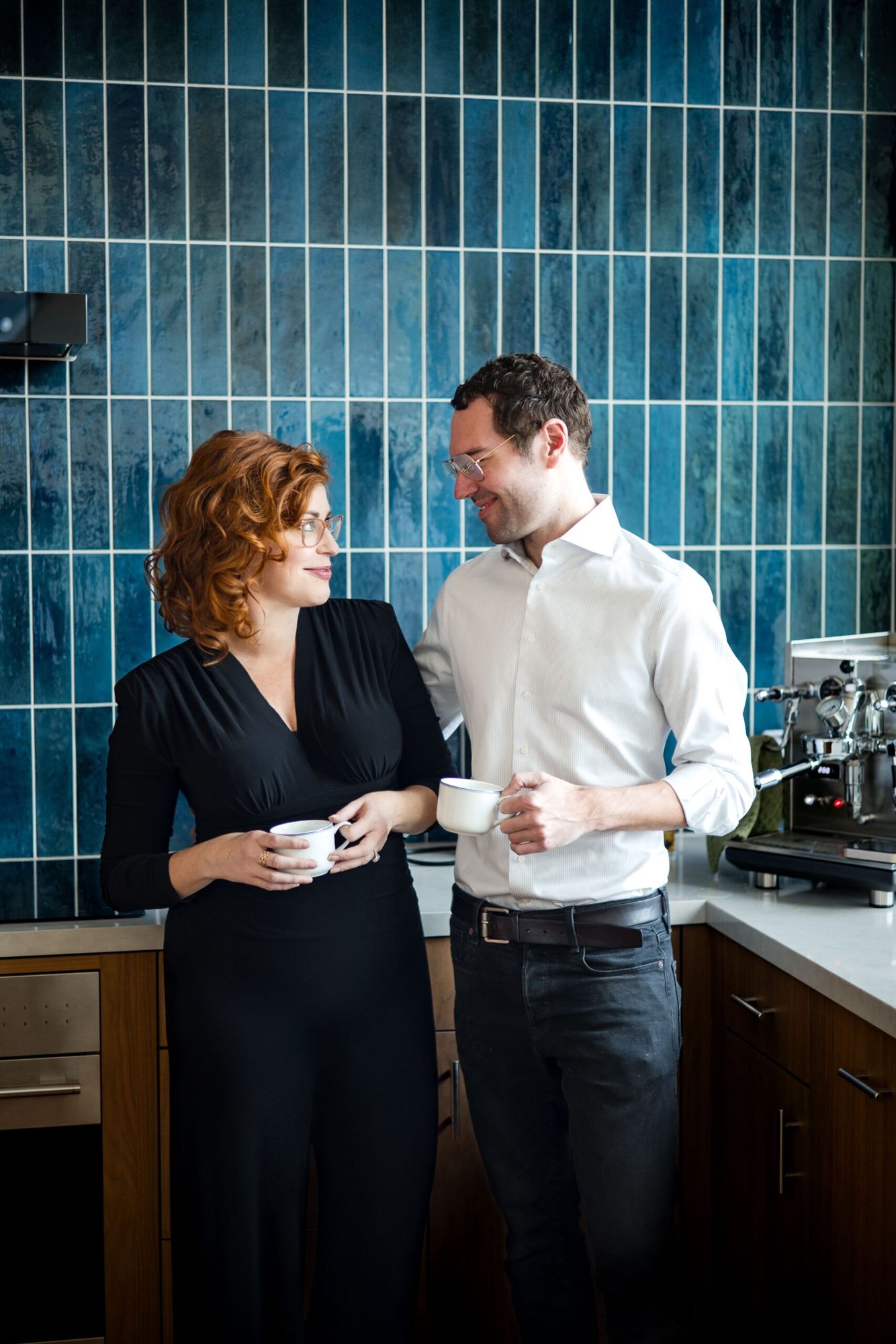
When did you last stop completely? Not scroll, not multitask, not plan the next thing, but simply pause. For many people, the answer is hard to remember. Busy schedules, constant notifications and ongoing stress keep the body in a state of alert, and over time that alertness can show up as poor sleep, tension, pain and fatigue. The name Selah Center points to an answer: a deliberate pause.
What Does “Selah” Mean?
Selah is a Hebrew word found throughout the Psalms, often at the end of a verse or stanza. Scholars do not agree on its exact meaning, but it is widely understood as an invitation to pause, reflect and take in what was just said. Many readers interpret it as a musical or contemplative rest, a moment of silence between phrases so that the meaning can land.
That idea of a pause that makes room for renewal is a useful frame for health. Healing rarely happens in constant motion. It tends to happen when the body and mind feel safe enough to slow down.
Why Pausing Matters for the Body
The autonomic nervous system has two broad modes. The sympathetic branch prepares you to act, raising heart rate and muscle tension. The parasympathetic branch supports rest, digestion and repair. Both are necessary, but problems arise when the “go” mode rarely turns off.
Prolonged stress is associated with sleep disruption, muscle tension, digestive complaints, headaches and low mood. Research on slow breathing, mindfulness and relaxation practices suggests they can help lower perceived stress and support healthier stress responses. These practices are not cures, but they give the nervous system a chance to shift out of constant vigilance.
Healing rarely happens in constant motion.
Who Benefits From a Pause?
Nearly everyone, but a pause can be especially valuable for people who:
- Carry ongoing work, caregiving or family stress
- Struggle with restless sleep or waking unrefreshed
- Hold persistent tension in the neck, back or jaw
- Feel “wired and tired” or constantly on edge
- Are recovering from illness, injury or a demanding season of life
Pause and Renewal in Integrative Wellness Care
Integrative wellness care looks at the whole person rather than a single symptom. Stress, movement, structure, sleep and daily habits all influence one another. At Selah Center in Carlsbad, the team includes Sinclair Kennally, Co-Founder, Lead Practitioner and Nervous System Specialist, and Dr. Stephanie Canestraro, DC, Director of Somatic and Structural Therapies. Their titles reflect this focus on how the nervous system and the body’s structure work together.
The name Selah reflects the intention behind the practice: to offer a space where you can slow down, be heard and begin to renew.
Simple Ways to Practice Selah Every Day
A pause does not need to be long or elaborate. Small, repeated moments often work better than occasional big efforts.
- Take three slow breaths before you start your next task, lengthening each exhale.
- Step outside for five minutes of daylight without your phone.
- Set a short daily window with no screens, especially in the hour before bed.
- Notice where you hold tension, such as your jaw, shoulders or belly, and soften it on purpose.
- Keep a regular sleep and wake time, even on weekends.
- Ask for support when stress, pain or fatigue has lasted longer than you expected.
When to Seek Professional Support
Self-care is a good start, but it has limits. If pain, exhaustion, anxiety or poor sleep persist for weeks, interfere with daily life or keep returning, it is worth talking with a professional. Seek urgent medical care for chest pain, sudden severe symptoms or thoughts of harming yourself.
If you are ready to pause and explore what renewal could look like for you, Selah Center is located at 2333 State St, Suite 300, Carlsbad, CA 92008. You can call (619) 304-7166 or reach out through our contact page. Office hours are Monday to Friday, 9:00 AM to 5:00 PM, and Saturday by appointment only.