
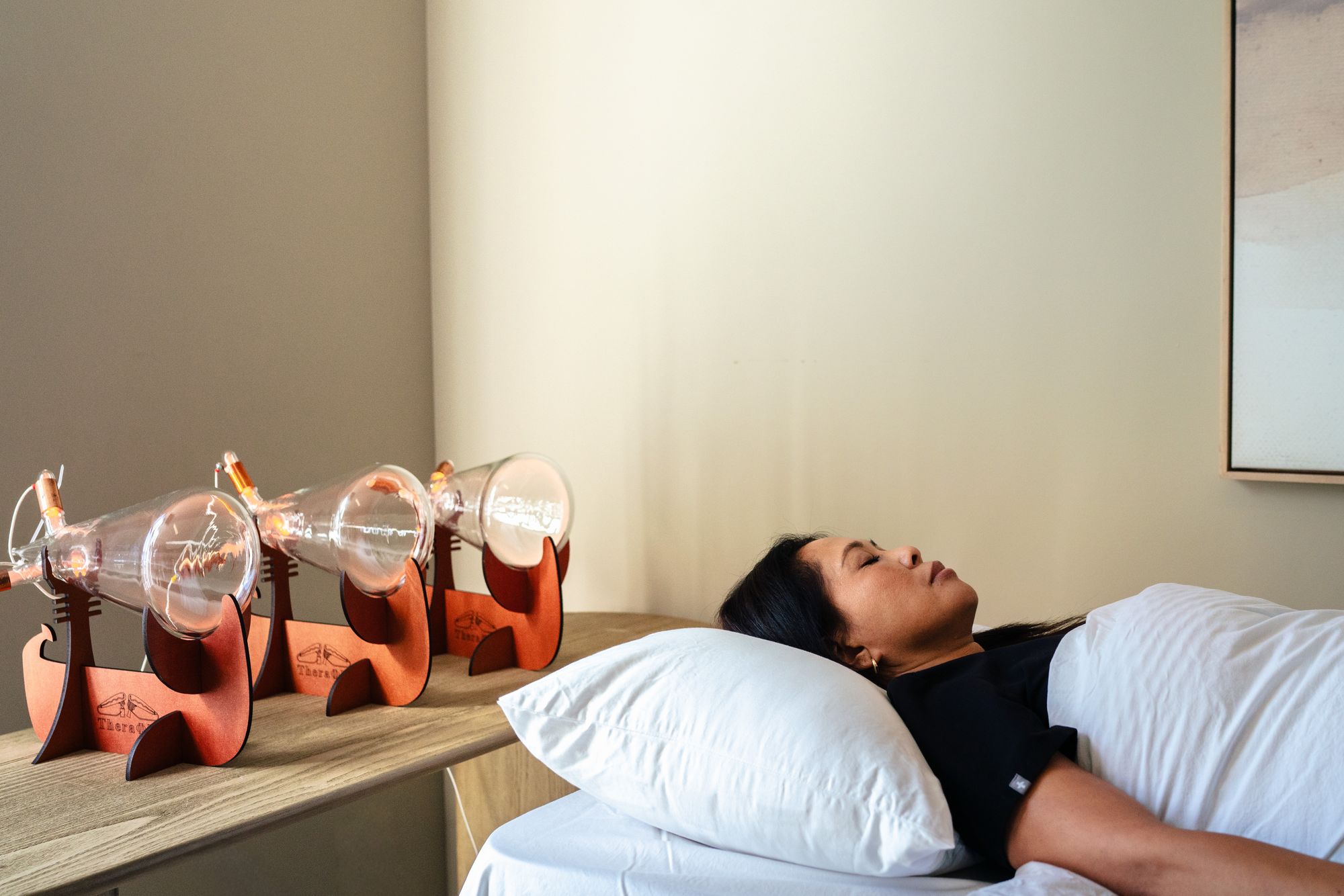
If you have spent months or years chasing answers for fatigue, digestive trouble, poor sleep, or a body that never feels quite settled, you know how discouraging it can be. Appointments can feel rushed, and each symptom may be handled in isolation. Bioregulatory medicine offers a different lens, one that asks how the whole body is working together and what may be getting in the way.
What bioregulatory medicine means
Bioregulatory medicine is an approach to care built on the idea that the body is a self-regulating system. Rather than focusing only on suppressing individual symptoms, it looks for the underlying factors that may be burdening the body's natural ability to adapt, repair and rebalance.
The term comes from European integrative traditions, and it is often used alongside terms like systems-based or whole-person care. It is not a single treatment. It is a way of thinking about health that can shape how a practitioner gathers history, interprets patterns and chooses supportive strategies.
The core principles
While practitioners differ in their methods, several ideas appear again and again:
- The body has an innate capacity to regulate and heal when conditions allow.
- Body systems are connected, so digestion, hormones, immunity, mood and the nervous system influence one another.
- Symptoms are signals worth understanding, not only problems to silence.
- Each person has a unique history, environment and stress load.
The role of the nervous system
One of the most practical ideas in this field is that the nervous system sets the tone for much of the body's function. When we live in a prolonged state of stress, the body's stress response can stay switched on. Research on chronic stress has linked this pattern with disrupted sleep, digestive symptoms, muscle tension and changes in immune and hormonal signaling.
Because of this, bioregulatory approaches often pay close attention to how safe, rested and resourced the body feels. Supporting the nervous system may involve breathing practices, gentle bodywork, movement, sleep routines and other therapies that encourage the body to shift out of constant vigilance.
Who might explore this approach
People often become curious about bioregulatory medicine when they live with long-standing concerns that have not resolved with a single-focus approach. Examples include persistent tiredness, stress and burnout, digestive discomfort, tension and pain patterns, and difficulty winding down. It can also appeal to people who simply want a more preventive, whole-person view of their wellbeing.
It is important to say that these symptoms can have many causes, some of which need conventional evaluation. A thoughtful integrative approach should complement, not replace, appropriate medical diagnosis and care.
What the evidence says
"Bioregulatory medicine" as a label is not a single, standardized treatment, so it cannot be judged by one study. Instead, its individual components vary in the strength of their evidence. There is solid research supporting lifestyle foundations such as sleep, regular movement, nutrient-rich eating and stress reduction for overall health. Mind-body practices and certain manual therapies also have supportive research for conditions like stress and musculoskeletal pain.
Other elements used within integrative care have less robust evidence, and it is reasonable to ask any practitioner what is known, what is uncertain and how progress will be assessed. Good care is honest about both.
How to prepare for an integrative visit
- Write down your symptoms, their timing and what seems to make them better or worse.
- Bring a list of your medications, supplements and past diagnoses.
- Note your sleep, stress, digestion, movement and eating patterns.
- Ask how any suggested approach fits alongside the care you already receive.
- Keep realistic expectations: change often unfolds gradually.
Taking the next step
If you are in or near Carlsbad, CA and wondering whether integrative wellness care could fit your needs, the Selah Center team can talk with you about your goals. You can call (619) 304-7166 or visit us at 2333 State St, Suite 300, Carlsbad, CA 92008. Feeling better is rarely about one fix, and you deserve to be heard while you work toward it.