
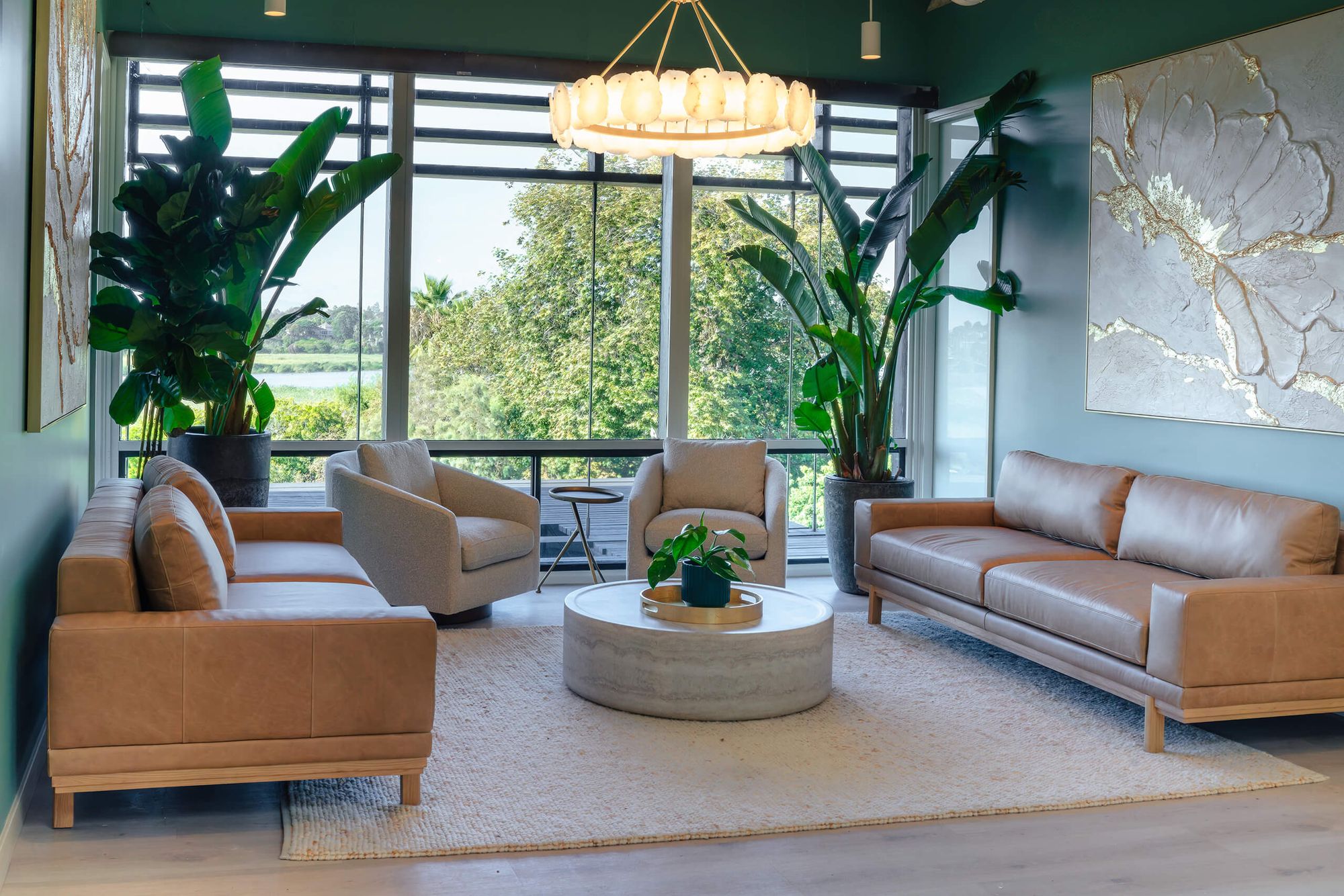
You have been running on empty for a long time. Sleep is light, your shoulders are tight, and even a free weekend feels crowded with tasks. Many people reach a point where a quick break is not enough, and they begin to wonder what it would be like to step away completely and be cared for. That is the idea behind a private wellness retreat.
What a Private Wellness Retreat Is
A private wellness retreat is a period of focused time set aside for restoration, usually for one person, a couple, or a small group you choose. Unlike a large group program, the pace and content are shaped around you. Depending on the setting, it may include bodywork, guided breathing, gentle movement, nutrition conversations, reflection, and plenty of quiet.
The word “private” matters. Privacy lets you slow down without performing, comparing, or keeping up with a crowd. For people who feel overstimulated, that alone can be a relief.
Who May Benefit
Retreats are often considered by people who feel worn down by long-term stress, caregiving, demanding work, or major life transitions. Others look for a reset after illness, or want to build healthier habits and need space to begin. Common signs that you may be ready for deeper rest include:
- Feeling tired even after a full night in bed
- Muscle tension, headaches, or digestive upset that come and go with stress
- Trouble relaxing or switching off your thoughts
- A sense of being constantly “on edge”
These symptoms can have many causes, so persistent or worsening problems deserve a conversation with a licensed clinician.
Why Rest and Nervous System Care Matter
When we face ongoing pressure, the body stays in a stress response. Over time, this can affect sleep, mood, muscle tension, digestion, and concentration. The calming side of the nervous system, which supports rest and recovery, needs regular chances to take over. Slow breathing, gentle touch, time in quiet surroundings, and predictable routines are all ways people try to encourage that shift.
The calming side of the nervous system, which supports rest and recovery, needs regular chances to take over.
What the Research Suggests
Studies on individual practices offer encouraging, though varied, findings. Mindfulness-based programs have been linked to reductions in stress and anxiety symptoms. Massage and other manual therapies have been associated with short-term relief from muscle tension and some types of pain. Regular physical activity and time in natural settings are connected with better mood and sleep. Research on retreats as a whole is more limited, and results often depend on what is included and how long the effects are followed. A retreat is best seen as a supportive step, not a cure, and it works best when you carry some of what you learn into daily life.
How to Choose and Prepare
A little planning helps you get the most from the experience. Consider these points:
- Clarify what you most want: deep rest, stress relief, body work, or a reset of daily habits.
- Ask what is included, how sessions are structured, and who will be guiding your care.
- Choose a setting that feels calm and private, with room for unscheduled quiet time.
- Plan a gentle return to normal life, with a few simple routines you can keep.
- Tell your regular doctor about your plans, especially if you have a health condition or take medication.
Taking the Next Step
If you are curious about integrative wellness care in Carlsbad, Selah Center can answer your questions about what we offer. You can call (619) 304-7166 or visit us at 2333 State St, Suite 300, Carlsbad, CA 92008. Office hours are Monday to Friday, 9:00 AM to 5:00 PM, and Saturday by appointment only. Reaching out is a small step, and it can be the start of feeling more like yourself.