
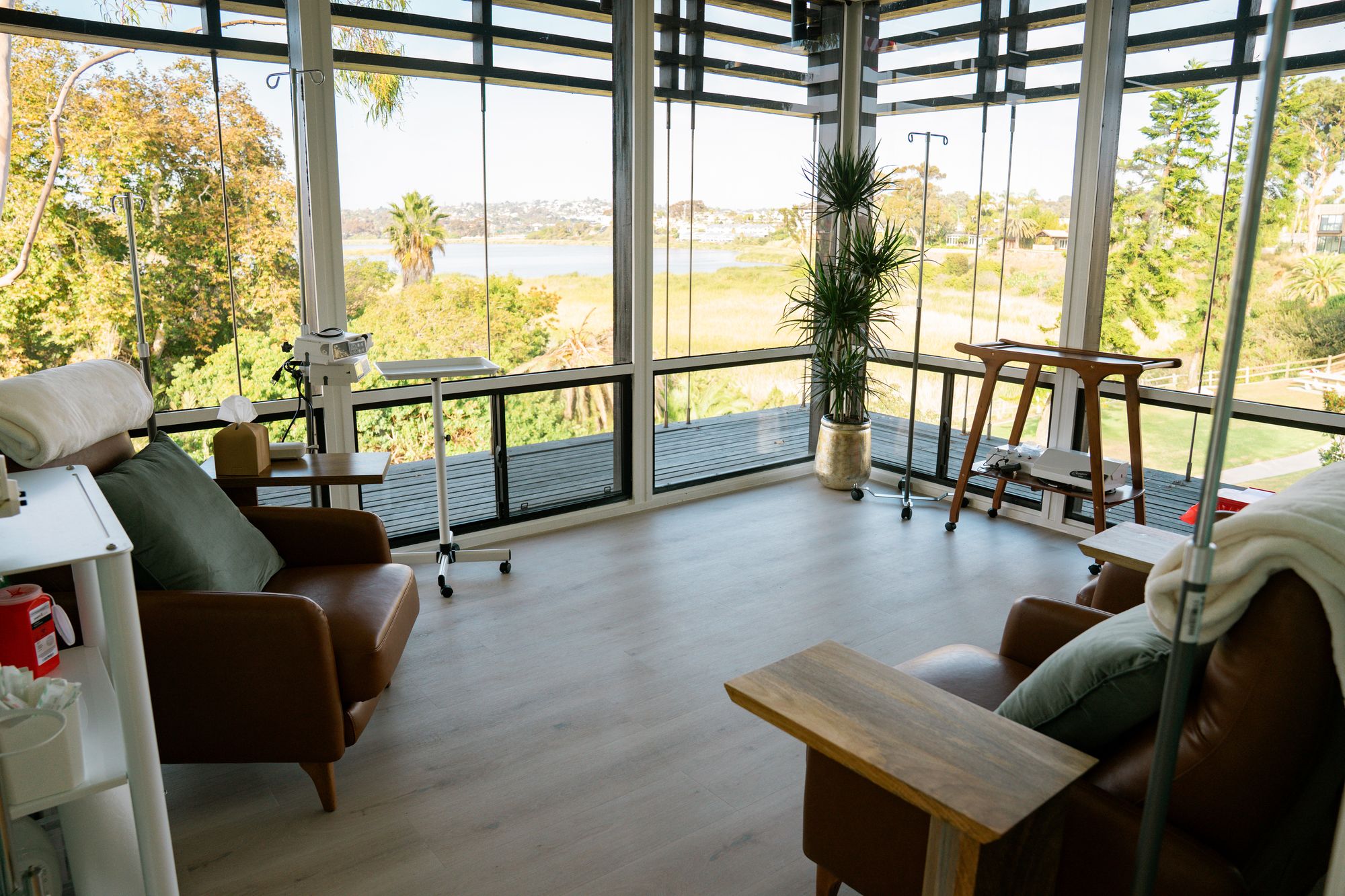
Have you ever stepped into a quiet, softly lit room and felt your shoulders drop without trying? That response is not imagined. The spaces we spend time in shape our stress levels, sleep and mood every day, often without our noticing. Understanding why can help you build more rest into daily life.
What Is a Restorative Environment?
A restorative environment is a setting that helps the body and mind recover from stress and mental fatigue. It is not about luxury or perfect design. It is about sensory conditions such as light, sound, air, color, texture and visual order that signal safety to the nervous system, allowing it to shift out of high alert and toward rest and repair.
How Your Nervous System Reads Your Surroundings
Your nervous system is constantly scanning for cues of safety or threat, largely below conscious awareness. Harsh lighting, unpredictable noise, clutter and crowding can keep the stress response switched on. Calm, predictable and gentle surroundings tend to support the parasympathetic state, often described as "rest and digest," in which heart rate slows, digestion works more easily and the body can recover.
What the Research Suggests
Environmental psychology has studied this for decades. Two well-known frameworks, Attention Restoration Theory and Stress Reduction Theory, propose that natural settings help us recover from directed attention fatigue and physiological stress. Studies have linked time in green spaces with lower self-reported stress and, in some research, lower cortisol and blood pressure. Classic hospital research found that patients with a view of trees recovered with fewer pain medication doses than those facing a wall, though findings vary and more research is always needed.
Light and sound matter too. Bright morning light helps anchor the body's circadian rhythm, while bright blue-rich light late at night can delay melatonin release. Chronic environmental noise has been associated with higher stress and poorer sleep in population studies.
Who Benefits Most
Nearly everyone, but restorative surroundings can be especially helpful for people who feel constantly wired, tired but unable to sleep, overwhelmed by sensory input, or recovering from long periods of stress. People managing tension, fatigue or burnout often find that changing their environment is a gentle first step that supports other care.
Practical Ways to Create Restorative Spaces
You do not need a renovation. Small, consistent changes add up:
- Open curtains early in the day and get outside light within an hour of waking.
- Dim overhead lights and switch to warm lamps in the evening.
- Reduce constant background noise, or replace it with soft, steady sound you enjoy.
- Bring in plants, natural materials or a view of greenery where you can.
- Clear one surface or corner so your eyes have somewhere to rest.
- Keep your bedroom cool, dark and free of work reminders.
When Environment Alone Is Not Enough
A calming space is supportive, but it is not a cure. If you have persistent fatigue, trouble sleeping, ongoing pain, anxiety or a sense that your body will not settle, those symptoms deserve a closer look. Integrative wellness care considers the whole person, including how your nervous system, body and daily surroundings work together.
If you would like support in Carlsbad, Selah Center is located at 2333 State St, Suite 300, and can be reached at (619) 304-7166. We would be glad to talk with you about what your body may need to feel more at ease.