
You may have followed the advice exactly. You did the stretches, tried the supplement, took the recommended class, and still feel stuck. It is easy to conclude that something is wrong with you. More often, the plan simply was not built for you. Two people can share the same symptom for very different reasons, and care that ignores that difference can leave both of them frustrated.
What Is a Personalized Therapy Pathway?
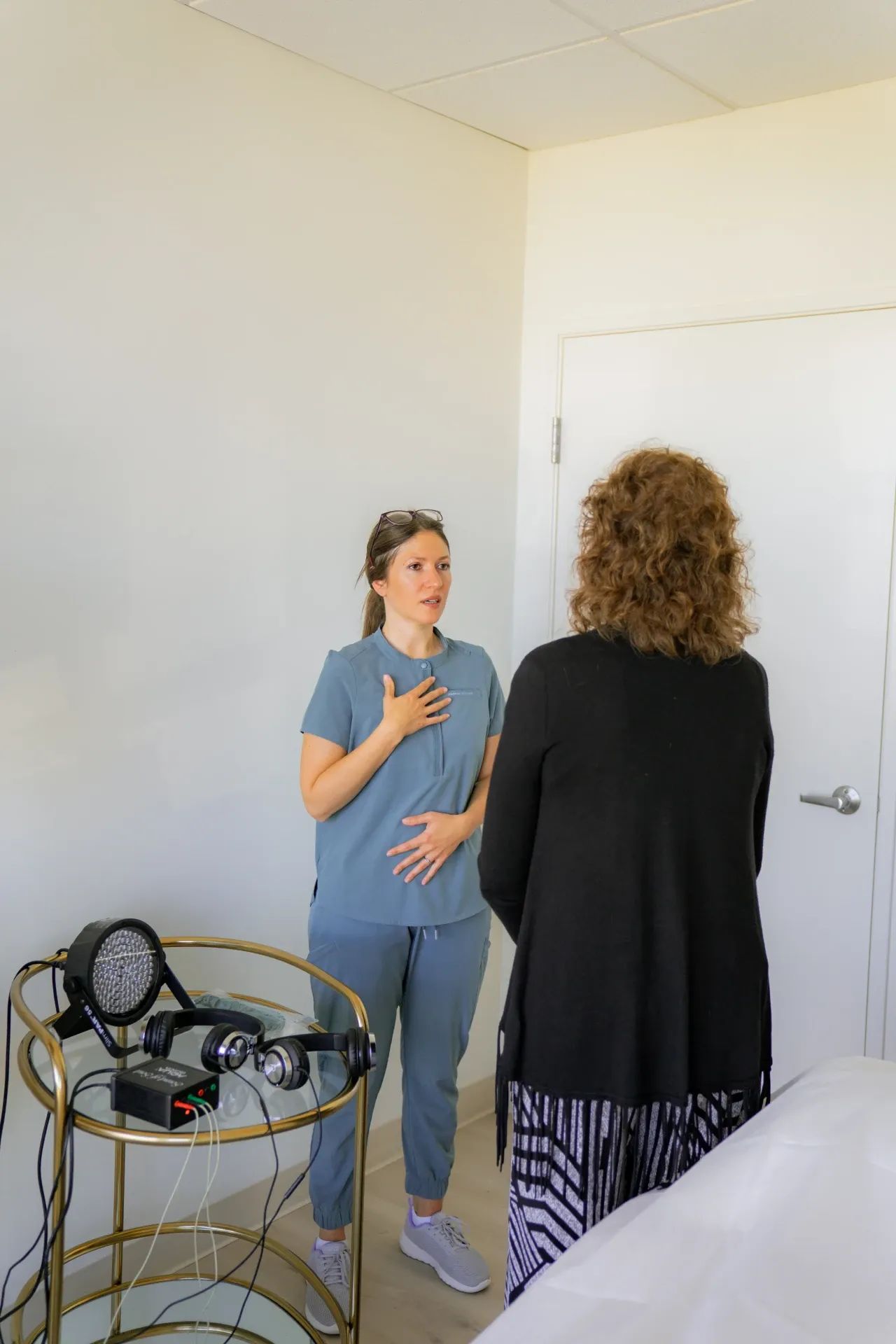
A personalized therapy pathway is a care plan shaped around your history, your body, your daily life, and your goals. Rather than starting with a standard protocol, it starts with listening. From there, a practitioner chooses approaches, sequences them thoughtfully, and adjusts as you respond. In integrative wellness care, this often means looking at the whole person, including movement, structure, stress, and the nervous system, instead of treating one symptom in isolation.
Why Standard Protocols Fall Short
Standard protocols are built from averages. Research studies report how groups of people do on average, and that information is valuable. But no one is an average. Age, injury history, sleep, stress load, work demands, and past experiences all shape how a person responds to care. Low back pain, for example, can be driven by joint mechanics, muscle guarding, stress physiology, or a combination of these. The same exercise that relieves one person can aggravate another.
Who Benefits Most from an Individualized Approach?
Nearly anyone can, but it is especially helpful if you:
- Have lingering pain that has not resolved with generic advice
- Feel chronically tense, wired, or exhausted
- Have several overlapping concerns that seem connected
- Want care that respects your pace and preferences
What the Evidence Suggests
Health research increasingly supports tailoring care. Guidelines for persistent pain emphasize a biopsychosocial view, recognizing that physical, emotional, and social factors interact. Studies on the therapeutic relationship also find that feeling heard and involved in decisions is linked with better engagement and outcomes. Evidence also shows that the nervous system plays a central role in how pain and stress are experienced, which is one reason hands-on structural work and nervous system regulation are often considered together. Research cannot predict exactly how you will respond, which is why ongoing adjustment matters.
How to Get the Most from Your Pathway
- Share your full story, including stress, sleep, past injuries, and what you have already tried.
- Name your goals in your own words, such as moving without pain or feeling calmer.
- Expect your plan to change as your body responds.
- Tell your practitioner what feels helpful and what does not.
- Give the process time, since the nervous system and tissues adapt gradually.
Taking the Next Step
If you have been working through generic advice without relief, you deserve a plan that fits you. At Selah Center in Carlsbad, our practitioners offer integrative wellness care that considers structure, movement, and the nervous system together. Call (619) 304-7166 or reach out through our contact page to start a conversation about what your pathway could look like. If you have sudden, severe, or worrying symptoms, seek urgent medical care.