
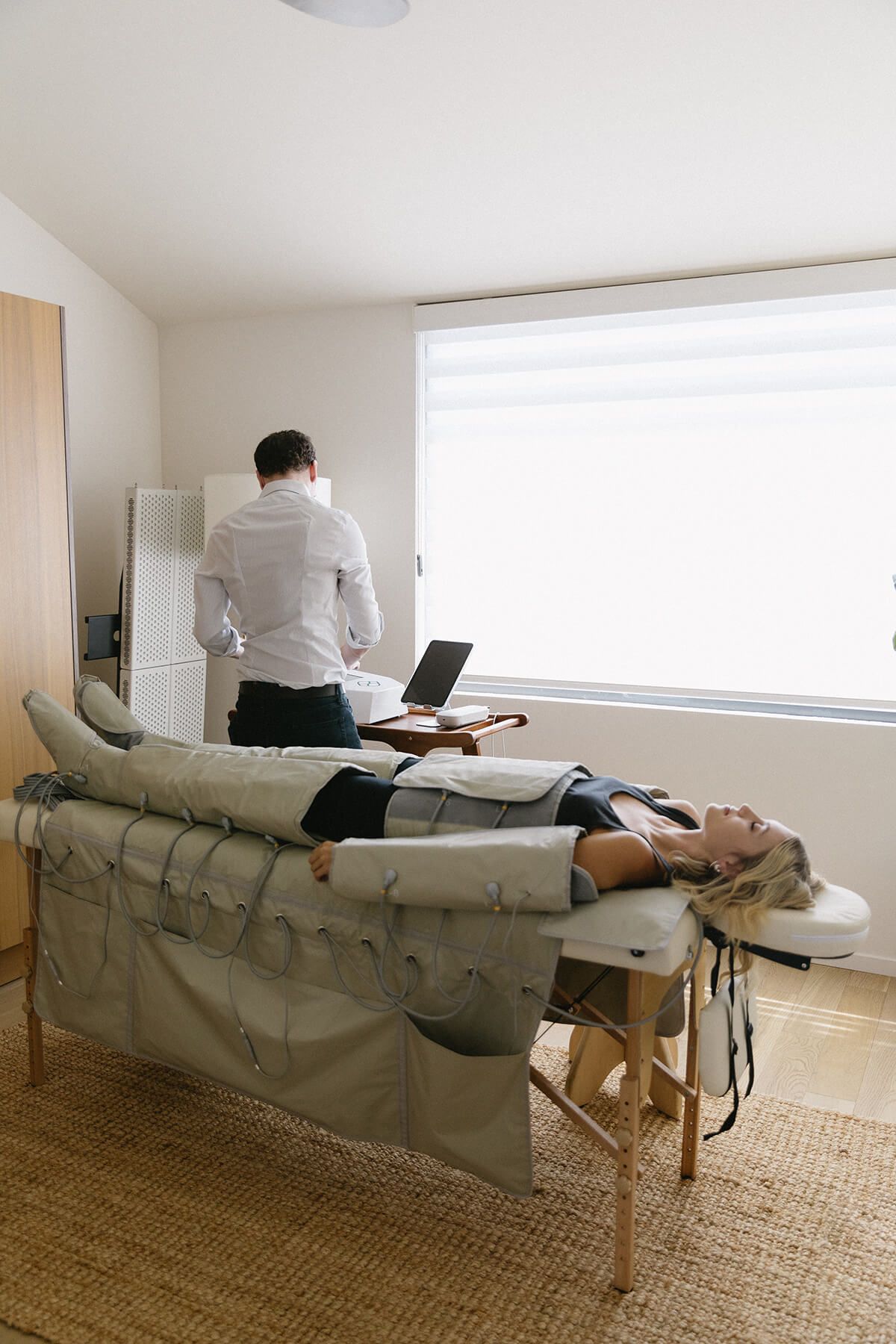
Recovery can feel slow and frustrating. Whether you are healing from an injury, living with ongoing tension, or simply feeling worn down, the idea of surgery or medication is not always where you want to begin. The good news is that many people can support their bodies through gentler paths. Non-invasive therapies offer options that work with your body rather than around it.
What Does “Non-Invasive” Mean?
A non-invasive therapy is one that does not require cutting the skin or entering the body with instruments. In integrative wellness care, this often includes hands-on manual therapy, guided movement, breathwork, nervous system regulation techniques, and education about daily habits. These approaches are generally used to ease pain, restore motion, and help the body shift out of a constant stress response.
Who Can Benefit?
Non-invasive care is relevant to a wide range of people: those with muscle and joint discomfort, desk-related posture strain, old injuries that never quite resolved, or stress that shows up as tightness, poor sleep, or fatigue. It can also complement other medical care. Anyone with severe, sudden, or worsening symptoms should seek prompt medical evaluation first.
Common Non-Invasive Approaches
Several categories are widely used for recovery:
- Manual and structural therapies, such as joint and soft tissue techniques, to improve movement and reduce tension.
- Somatic approaches that build body awareness and release held patterns of bracing.
- Nervous system support, including slow breathing and grounding practices that calm the stress response.
- Therapeutic exercise and mobility work to rebuild strength and confidence in movement.
Why the Nervous System Matters
Pain and recovery are not only about tissue. The nervous system constantly evaluates whether your body is safe, and when it stays on high alert, muscles can stay tight and pain can feel amplified. Calming that response may make it easier for the body to heal and for movement to feel comfortable again. This is why many integrative practitioners combine physical and nervous system care.
What the Evidence Says
Research supports several non-invasive options for common concerns. Clinical guidelines for low back pain, for example, often recommend staying active, exercise therapy, spinal manipulation, and mind-body approaches before more invasive steps for many people. Evidence varies by condition and by technique, and results differ from person to person. A good practitioner will be honest about what is well supported, what is still emerging, and when another type of care is needed.
Practical Ways to Support Your Recovery
- Describe your symptoms, goals and history as specifically as you can.
- Ask what each therapy is meant to do and how progress will be measured.
- Practice gentle movement and breathing between visits.
- Protect sleep, hydration and regular meals while you heal.
- Increase activity gradually and report anything that feels worse.
When to Seek Professional Help
If discomfort lasts more than a few weeks, keeps returning, or limits your daily life, a professional assessment can clarify what is going on and which therapies fit you. Seek urgent care for symptoms such as sudden weakness, loss of bladder or bowel control, chest pain, or severe injury. If you are in Carlsbad, CA and would like to talk through your options, Selah Center is here to listen. You can call us at (619) 304-7166 or reach out through our contact page.