
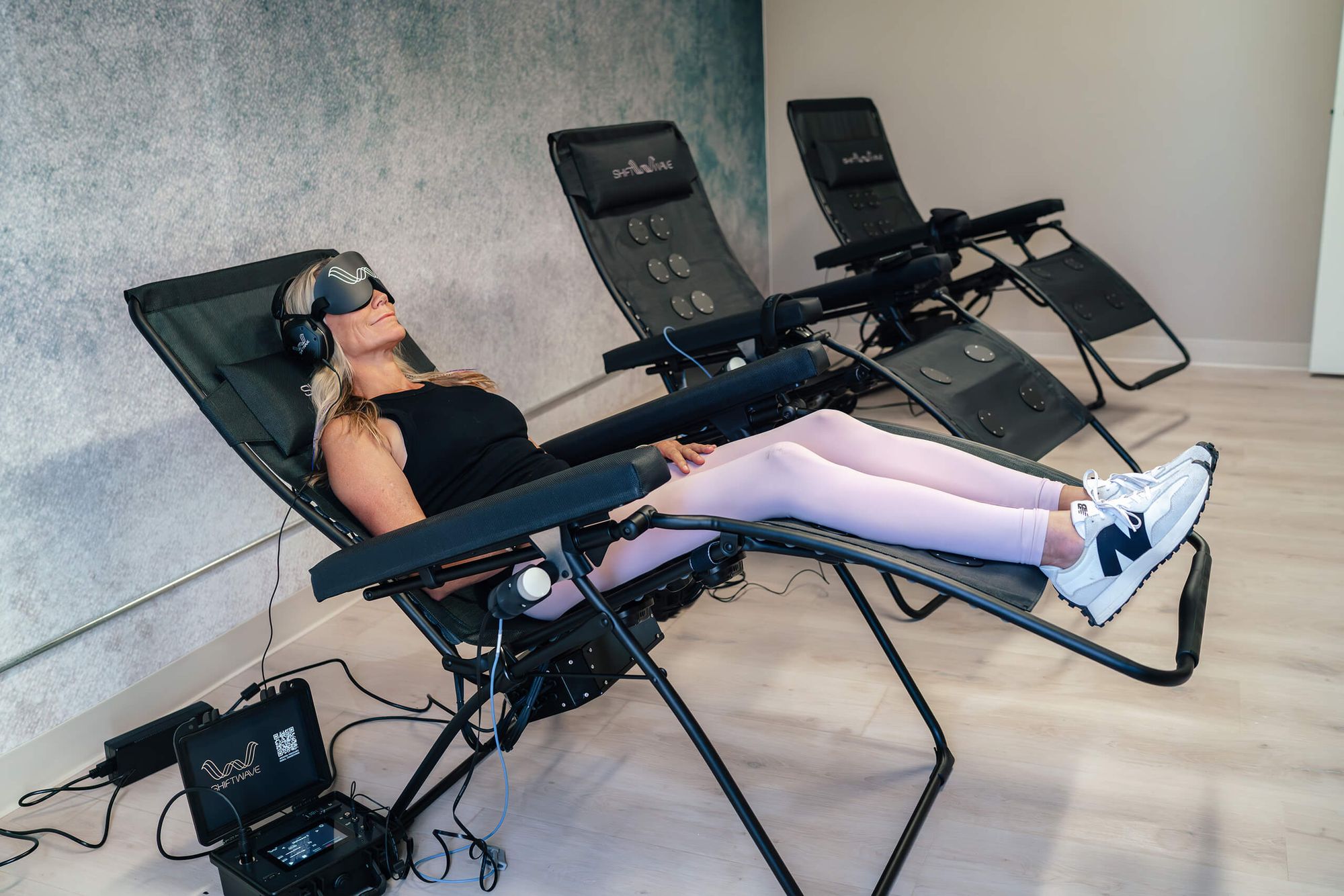
You get things done. You show up early, train hard, carry responsibility for work and family, and rarely let anyone see the cost. Then one day the sleep is lighter, the shoulders are tighter, and the energy that used to carry you has gone thin. If that sounds familiar, you are not failing. You are likely running a capable system without enough recovery built in.
What integrative wellness care means
Integrative wellness care looks at the whole person rather than a single symptom. Instead of treating poor sleep, neck tension, digestive trouble and anxiety as unrelated problems, it asks how they connect. Stress physiology, movement, structure, rest and daily habits all influence one another, so care considers them together.
At Selah Center in Carlsbad, the team includes Sinclair Kennally, Co-Founder, Lead Practitioner and Nervous System Specialist, and Dr. Stephanie Canestraro, DC, Director of Somatic and Structural Therapies. That pairing reflects a common integrative idea: the nervous system and the body's structure work as one.
Why driven people are especially affected
High achievers often treat discomfort as a signal to push through. Over time, that habit can keep the body in a sustained stress response. Athletes, executives, parents, entrepreneurs and caregivers all share the pattern: high output, short recovery, and a belief that rest must be earned.
Common signs include trouble winding down at night, waking tired, recurring muscle tension, frequent headaches, a short temper, and relying on caffeine to start and stimulants or alcohol to stop. None of these prove a particular condition, but together they suggest the system needs attention.
What the research says
Chronic stress is associated with disrupted sleep, higher blood pressure, mood changes and slower recovery from exertion. Research on sleep consistently shows that adequate rest supports learning, immune function and physical performance. Studies of slow breathing, mindfulness and regular moderate exercise show benefits for stress regulation and mood. Manual and movement-based approaches have evidence for some types of musculoskeletal pain, although results vary by person and condition.
Evidence does not support a single fix for everyone. That is why a thoughtful assessment matters more than a generic program.
Recovery is part of performance
Strength and endurance are built during recovery, not during the effort itself. The same is true for focus and emotional steadiness. When the nervous system never gets a chance to shift out of alert mode, performance often plateaus or declines, and people respond by working harder. A better question is whether the body is getting enough signals of safety to repair and adapt.
Somatic and structural approaches aim to help here, by addressing how the body holds tension and how it moves, alongside nervous system regulation.
Practical steps you can start this week
- Protect a consistent sleep window, even during demanding weeks.
- Schedule recovery the way you schedule training and meetings.
- Use slow, extended exhale breathing for a few minutes when you feel wired.
- Move daily, and vary intensity so hard days are followed by easier ones.
- Notice early warning signs: irritability, poor sleep, nagging aches, dependence on caffeine.
- Ask for help before a small pattern becomes a breakdown.
When to seek professional support
Self-care helps, but it has limits. If symptoms last more than a few weeks, interfere with work or relationships, or keep returning despite your best efforts, a professional evaluation can identify what is driving them. Seek urgent medical care for chest pain, severe or sudden symptoms, or thoughts of harming yourself.
If you would like to explore integrative wellness care in Carlsbad, Selah Center is located at 2333 State St, Suite 300. Call (619) 304-7166 or reach out through our contact page. Office hours are Monday to Friday, 9:00 AM to 5:00 PM, and Saturday by appointment only.