
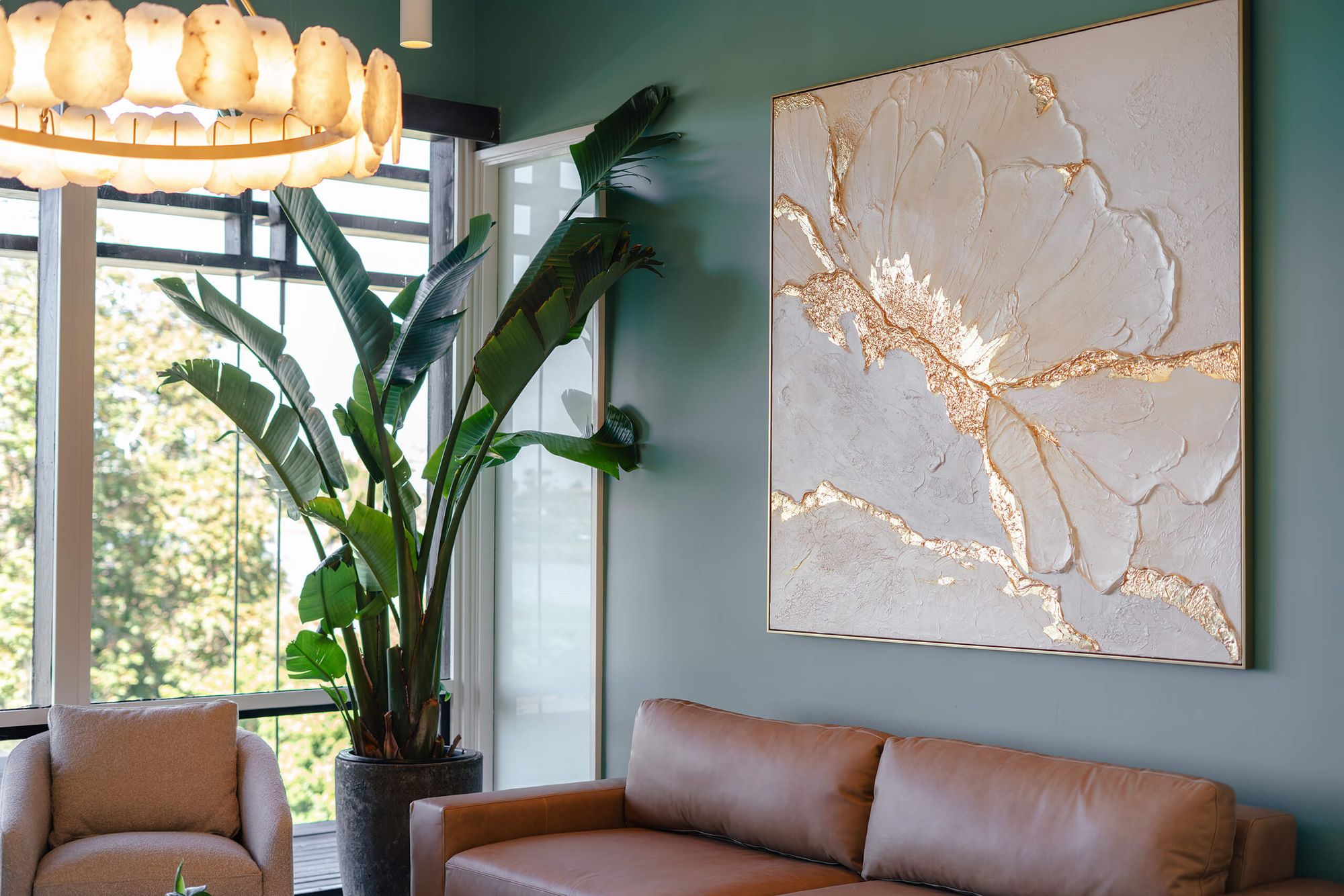
When you are tired, in pain or simply worn down, home should be the place where you recover. Yet for many people it is where stress quietly piles up: a bedroom lit by glowing screens, a cluttered counter, a chair that never quite fits. The good news is that small changes to the space around you can make healing feel more possible.
Why Your Surroundings Matter
Your nervous system is constantly reading your environment for cues of safety or threat. Bright light at midnight, constant noise, mess and interruptions can keep the body in a low-grade state of alertness. Over time, that can affect sleep, digestion, mood, muscle tension and how you experience pain.
Healing is not only something that happens during appointments. It happens in the hours between them, in how well you sleep, move, eat and rest. A supportive home makes those everyday hours work in your favor.
What the Research Suggests
Research on environmental health points in a consistent direction. Studies of hospital rooms have linked views of nature and access to daylight with better mood and, in some cases, shorter recovery times. Sleep research shows that light exposure in the evening can delay the body’s release of melatonin, while bright light in the morning helps anchor your body clock. Noise has been associated with raised stress responses, and indoor air quality affects breathing and comfort.
None of this means your home must be perfect. It means that modest, consistent adjustments can lower the background load on your body.
Healing is not only something that happens during appointments.
Start With Sleep
Sleep is when much of the body’s repair takes place, so the bedroom is the best place to begin. Aim for a room that is cool, dark and quiet. Use blackout curtains or an eye mask if streetlights intrude, and consider moving phones and laptops out of the bedroom. A consistent bedtime and wake time helps just as much as the room itself.
Light, Air and Nature
Try to get daylight soon after waking, even if it is just a few minutes by a window or on a porch. In the evening, switch to warmer, dimmer lamps. Fresh air matters too: open windows when the weather allows, and keep up with dusting, filter changes and avoiding heavily scented products if they bother you. Houseplants, a view of trees or even a few minutes outdoors can add a sense of calm.
Make Room for Movement and Comfort
If you live with back, neck or joint discomfort, look at how your space asks you to move. A chair that supports your posture, a workspace at a comfortable height and frequently used items stored between waist and shoulder level can reduce repeated strain. Leave clear pathways to prevent falls, and keep a yoga mat or soft rug somewhere visible as a prompt for gentle stretching.
A Simple Home Healing Checklist
- Keep your bedroom cool, dark and quiet, and keep screens out of reach at night.
- Open curtains early in the day to get natural morning light.
- Create one clutter-free corner where you can sit, breathe and rest.
- Place frequently used items where they are easy to reach, to limit strain.
- Add a few plants, soft textures or calming sounds that you personally enjoy.
- Set a simple evening routine that signals to your body it is time to wind down.
Be Gentle With Yourself
You do not need to renovate. Choose one change this week, notice how you feel, then add another. If you are dealing with persistent pain, fatigue, poor sleep or stress that does not ease, your surroundings are only one piece of the picture. A practitioner can help you look at the whole of it.
If you would like personalized guidance, the team at Selah Center in Carlsbad, CA offers integrative wellness care. Call (619) 304-7166 or reach out through our contact page to start a conversation.