
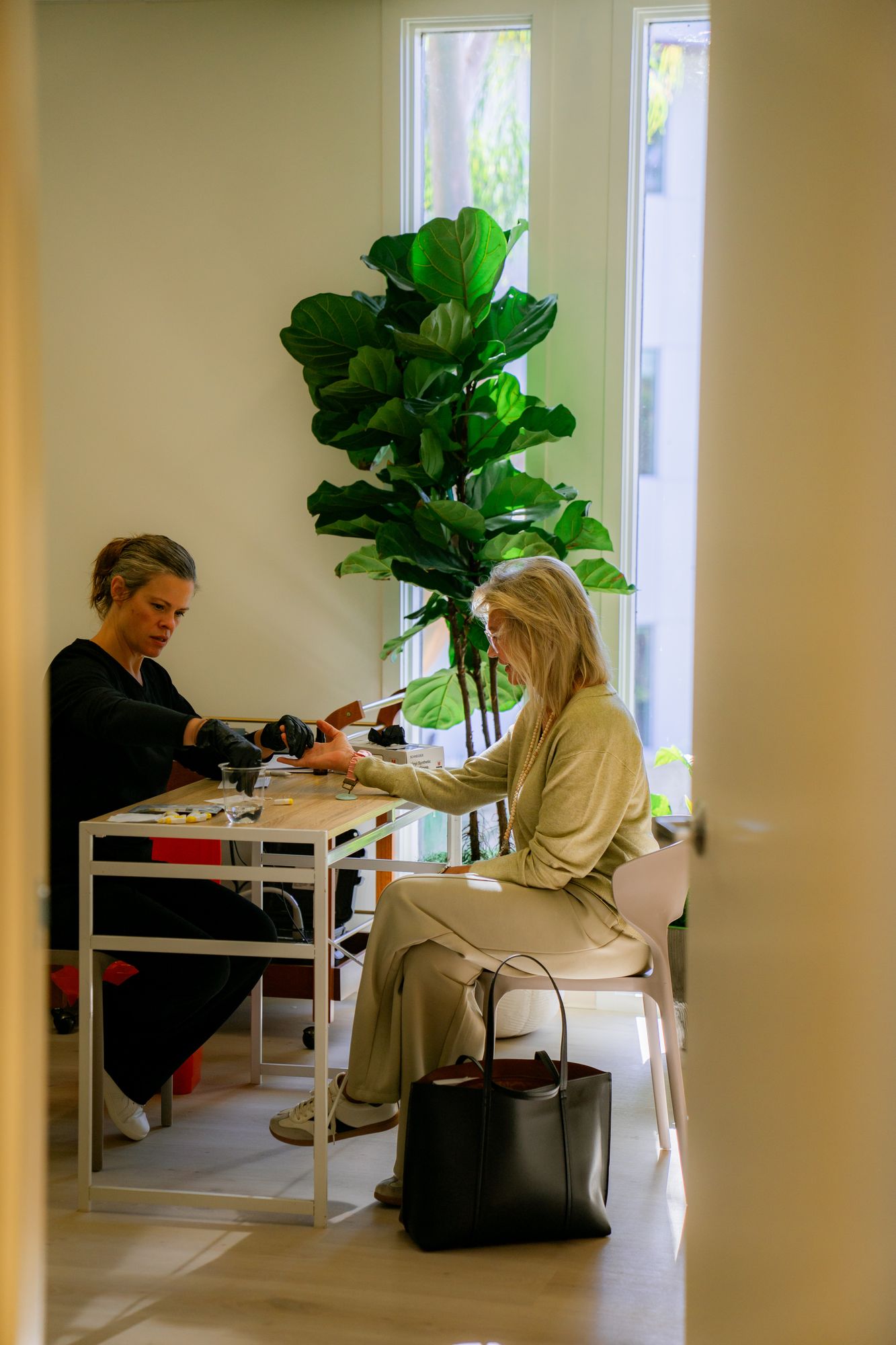
You have been tired for months. Or your back aches every morning, your stomach is unpredictable, or your sleep never feels restful. You have tried rest, tried waiting, maybe tried a few quick fixes. Still, the symptom stays. If this sounds familiar, you are far from alone, and your experience deserves to be taken seriously.
What Makes a Symptom "Chronic"?
In general, a symptom is considered chronic when it lasts for several months or keeps returning despite reasonable self-care. Common examples include persistent fatigue, ongoing aches and stiffness, headaches, digestive discomfort, brain fog, low mood, anxiety, and disrupted sleep. Chronic symptoms rarely arrive alone. Many people notice several of them clustering together, which is often a clue that more than one system in the body is involved.
Who Is Affected?
Long-lasting symptoms affect people of every age and background. Public health research consistently shows that chronic conditions are common among adults, and that many people live with symptoms for a long time before finding an approach that helps. Busy caregivers, professionals under sustained stress, athletes, and people recovering from illness or injury frequently describe the same frustration: tests come back "normal," yet they do not feel well.
Why Lingering Symptoms Deserve Attention
Symptoms are signals. When they persist, they can affect work, relationships, movement, and mood, and they may point to an underlying pattern that has not yet been addressed. Prolonged stress is a good example. Research on the stress response shows that a nervous system that stays in high alert can influence sleep, digestion, muscle tension, pain perception, and concentration. Addressing only one symptom at a time can leave the larger pattern untouched.
Symptoms are signals.
What Integrative Care Looks Like
Integrative wellness care looks at the whole person rather than a single complaint. That can mean considering how the nervous system, muscles and joints, sleep, nutrition, stress, and daily habits interact. Evidence supports several approaches that are often part of an integrative plan, including mindfulness and stress-reduction practices, movement and manual therapies for certain types of pain, and lifestyle changes around sleep and nutrition. Integrative care is meant to work alongside conventional medicine, not replace it.
At Selah Center in Carlsbad, the practitioners include Sinclair Kennally, Co-Founder, Lead Practitioner and Nervous System Specialist, and Dr. Stephanie Canestraro, DC, Director of Somatic and Structural Therapies.
Signs It May Be Time to Seek Help
Consider reaching out for professional support if any of the following apply:
- A symptom has lasted more than a few weeks without clear improvement.
- Symptoms are interfering with sleep, work, exercise, or relationships.
- You have several symptoms at once that no one has connected.
- You have been told nothing is wrong, but you still do not feel well.
- You feel stuck in a cycle of stress, tension, and exhaustion.
Some symptoms need urgent medical attention, such as chest pain, sudden weakness, severe shortness of breath, or a sudden severe headache. Do not wait on those. Call emergency services.
How to Prepare for a Visit
A little preparation makes any appointment more useful:
- Keep a simple symptom journal for two to four weeks, noting sleep, food, stress, movement and when symptoms flare.
- Write down when the symptom began and what else was going on in your life at that time.
- List every medication and supplement you take, including over-the-counter products.
- Note what helps, even a little, and what makes things worse.
- Bring your questions and goals to your visit, including what you most want to be able to do again.
You Do Not Have to Keep Waiting
Living with persistent symptoms is exhausting, and it is easy to start believing this is simply how life is now. It does not have to be. A thoughtful look at the whole picture can reveal patterns and next steps that a single-symptom approach misses. If you are in the Carlsbad area, you can call Selah Center at (619) 304-7166 or visit us at 2333 State St, Suite 300, Carlsbad, CA 92008. Our hours are Monday through Friday, 9:00 AM to 5:00 PM, and Saturday by appointment only.